_edited.jpg)
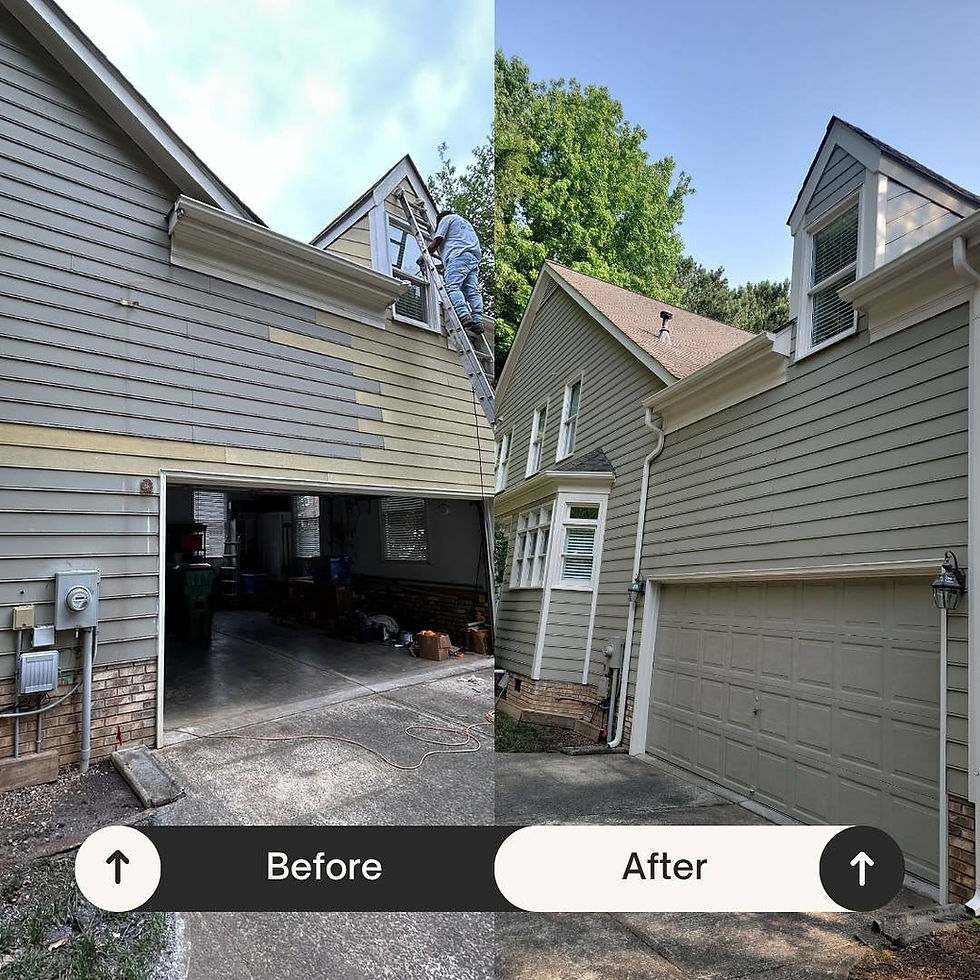
Older Home Exterior Painting Before and After: Behind the Scenes (With Video)

Watch the Project in Action
If you’ve ever wondered how your old home would look with a fresh coat of paint, this quick project breakdown will walk you through exactly what’s happening behind the scenes.
Whether you’re a homeowner researching your next project or just curious how the process works, this guide will help you understand what goes into getting professional-level results.
While exterior painting may look straightforward on the surface, every step in the process is carefully planned to ensure durability, weather resistance, and a high-quality finish that stands up to time and climate.
In regions like Charlotte and surrounding areas, where humidity, sun exposure, and seasonal temperature shifts can be intense, proper technique is especially important for long-lasting results.
What’s Happening in This Video?
In this clip, you meet Dixon, one of our professional exterior painters on our team, he walks you through some of the close up details of a recent exterior painting job.
At a glance, it might look simple, but there’s a lot of intentional technique happening here that directly impacts the final result.
This includes:
Proper surface preparation
Controlled application technique
Product selection and coverage strategy
Attention to detail that prevents future issues
Why Exterior Painting Requires Professional Skill
Exterior painting is one of the most technically demanding types of residential work. Unlike interior surfaces, exterior materials are constantly exposed to environmental stressors such as UV rays, rain, wind, and temperature fluctuations. This means that even small mistakes in preparation or application can significantly reduce the lifespan of the paint job.
Professional painters are trained to identify surface issues that may not be immediately visible, such as hidden moisture damage, failing caulking, or early-stage wood deterioration. Addressing these issues before painting is critical to ensuring a long-lasting result.
Step-by-Step Breakdown
1. Surface Prep Comes First
Before any paint goes on, the surface needs to be properly prepared.
This typically includes cleaning, scraping, sanding, and addressing any damaged areas. Skipping this step is one of the most common reasons paint jobs fail early.
A solid prep ensures:
Better adhesion
Smoother finish
Longer-lasting protection
Proper preparation is often the most time-consuming part of any exterior painting project, but it is also the most important. A well-prepared surface ensures that the paint bonds correctly and performs as intended over time.
On older homes especially, prep work may reveal layers of previous coatings, weathered wood, or minor structural imperfections that need attention before painting begins. Taking the time to correct these issues helps prevent peeling, cracking, and premature failure in the finished coat.
2. Applying the Product Correctly
In the video, you’ll notice the application method is controlled and consistent.
Whether it’s spraying, rolling, or brushing, technique matters more than people think.
Even coverage helps avoid:
Streaking
Thin spots
Premature wear
Application technique plays a major role in how evenly paint cures and how consistent the final appearance will be. Professional painters adjust their method depending on surface type, weather conditions, and product specifications.
For example, spraying may be used for large, even surfaces to ensure uniform coverage, while brushing and back-rolling can help work paint into textured or porous materials. The goal is always to achieve full coverage without over-applying product, which can lead to runs or uneven drying.
3. Coverage and Coats Matter
One coat is rarely enough for a durable, professional finish.
Depending on the surface and colour choice, multiple coats may be required to achieve:
Full coverage
Proper protection from the elements
A uniform final look
Multiple coats are not just about appearance—they are essential for protection. Each layer of paint adds depth, durability, and resistance against environmental exposure. The first coat typically acts as a bonding layer, while subsequent coats build colour consistency and long-term protection.
Skipping or rushing this step can lead to uneven fading, reduced weather resistance, and a shorter overall lifespan of the paint system.
4. Attention to Detail
The difference between an average job and a great one often comes down to the small details. Clean edges, consistent texture, and proper finishing all contribute to a result that not only looks better but lasts longer.
Small finishing details are what separate a standard paint job from a professional one. Clean cut lines around trim, consistent texture across surfaces, and properly sealed edges all contribute to a polished final appearance.
These details also have functional importance. Proper sealing around joints and trim helps prevent moisture intrusion, which is one of the leading causes of exterior paint failure on older homes.
Why This Process Matters
Exterior (and even interior) painting isn’t just about appearance — it’s about protecting your home.
When done properly, a paint job helps:
Shield surfaces from moisture and weather
Prevent long-term damage
Maintain property value
Extend the lifespan of materials
Cutting corners might save time upfront, but it usually leads to more costly repairs down the road.
How Exterior Paint Protects Older Homes
For older homes in particular, exterior paint is more than cosmetic—it acts as a protective barrier against ongoing deterioration. Many older homes were built with materials that require more maintenance and are more vulnerable to moisture penetration and UV damage.
A properly applied paint system helps stabilize these surfaces, reducing the risk of rot, cracking, and long-term structural wear. This is especially important in climates with seasonal changes, where expansion and contraction can stress exterior materials over time.
What Homeowners Often Don’t See Behind the Scenes
While videos like this offer a quick glimpse into the process, much of the work happens before and after what’s shown on camera. Site setup, surface evaluation, material selection, and final inspection all play a major role in delivering a professional result.
Experienced painters also continuously adjust their approach based on conditions such as sunlight, humidity, and surface temperature, which can all affect how paint cures and adheres.
Final Thoughts
Short clips like this can make the process look simple, but there’s a lot of experience behind every step, especially when it comes to older home exterior painting. Older homes require a more careful approach to prep, product selection, and application to ensure the finish not only looks great but lasts.
If you're planning an older home exterior painting project, working with an experienced team like Norby Painting can make all the difference in protecting and preserving your home’s character.
Understanding what goes into the process helps you make more confident decisions, whether you’re hiring a professional or exploring your options.
Understanding what goes into professional exterior painting helps homeowners make more informed decisions and sets realistic expectations for quality and longevity. When done correctly, exterior painting not only enhances curb appeal but also extends the life of the home itself.
And if you want to see more behind-the-scenes projects and practical how-to breakdowns like this, keep following along.
If you’re watching this video to better understand “how professional painters work,” this process is a typical example of what goes into older home exterior painting projects across Charlotte and surrounding areas. Each step is designed to ensure the home is properly protected while achieving a clean, updated appearance.

Comments